What Is a Transfer Case?
A transfer case is a critical component in four-wheel-drive (4WD) and all-wheel-drive (AWD) vehicles. It is responsible for distributing power from the transmission to both the front and rear axles, allowing all wheels to receive torque when additional traction is needed. Without a transfer case, a vehicle cannot effectively operate in 4WD mode.
Modern SUVs, pickup trucks, off-road vehicles, and some crossover vehicles rely heavily on transfer cases to improve performance on rough terrain, slippery roads, snow, mud, sand, and steep inclines. Whether you drive a rugged off-road truck or an AWD family SUV, understanding how the transfer case works can help you maintain your vehicle properly and avoid expensive repairs.
The transfer case is usually mounted behind the transmission and connected through a driveshaft system. When activated, it sends power to the front differential while continuing to supply power to the rear axle. This synchronized power delivery enables better traction and control in challenging driving conditions.
How a Transfer Case Works
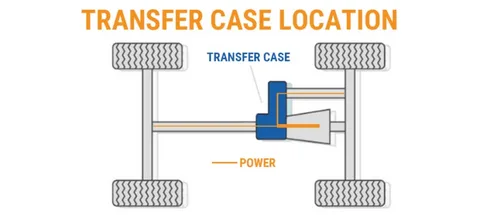
The primary function of a transfer case is to split engine torque between the front and rear wheels. In standard two-wheel-drive vehicles, power is sent only to either the front or rear axle. However, in 4WD and AWD systems, the transfer case redirects some of that power to the second axle.
When the driver selects four-wheel drive, the transfer case engages internal gears, chains, or shafts to connect both axles. Depending on the design, it can distribute torque equally or variably between the front and rear wheels.
Most transfer cases also provide a low-range gear option known as “4L” or “Low Range.” This mode increases torque multiplication for difficult terrain such as rock crawling, towing, or deep mud. Low-range gearing sacrifices speed for maximum pulling power and control.
A transfer case typically operates through one of the following methods:
- Mechanical linkage
- Electronic shift motor
- Vacuum-operated system
- Manual lever engagement
Modern electronic systems allow drivers to switch between drive modes with a dashboard button or rotary dial, while older systems often require a floor-mounted lever.
Main Components of a Transfer Case
A transfer case consists of several interconnected components that work together to transfer engine power efficiently.
Input Shaft
The input shaft receives power directly from the transmission. It acts as the entry point for torque into the transfer case.
Output Shafts
Transfer cases usually have two output shafts:
- Front output shaft
- Rear output shaft
These shafts deliver power to the corresponding driveshafts and axles.
Chain or Gear Drive
Transfer cases may use chains or gears to transfer rotational force internally. Gear-driven systems are typically stronger and more durable, while chain-driven systems are quieter and lighter.
Planetary Gear Set
The planetary gear assembly creates low-range gearing for off-road driving and heavy-duty applications.
Shift Forks and Collars
These components engage or disengage various drive modes such as:
- 2H (Two-Wheel High)
- 4H (Four-Wheel High)
- 4L (Four-Wheel Low)
- Neutral
Bearings and Seals
Bearings reduce friction between moving parts, while seals prevent fluid leakage and contamination.
Types of Transfer Cases
Transfer cases come in several different configurations depending on the vehicle’s drivetrain system and intended use.
Part-Time Transfer Case
Part-time transfer cases are commonly found in traditional pickup trucks and off-road SUVs. In this system, the vehicle operates in two-wheel drive under normal conditions. The driver manually engages four-wheel drive when additional traction is needed.
Part-time systems are ideal for:
- Off-road driving
- Mud
- Snow
- Loose gravel
However, they should not be used continuously on dry pavement because drivetrain binding can occur.
Advantages
- Strong off-road capability
- Better fuel efficiency in 2WD mode
- Simple design
Disadvantages
- Driver must manually engage 4WD
- Not suitable for dry-road 4WD operation
Full-Time Transfer Case
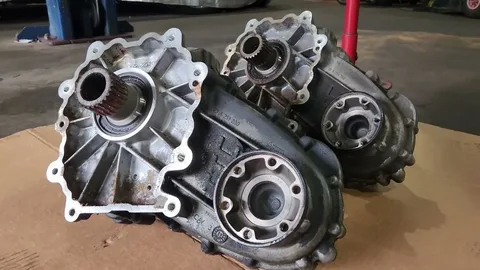
A full-time transfer case continuously supplies power to all four wheels. These systems usually include a center differential that allows wheels to rotate at different speeds during turns.
Full-time systems are common in luxury SUVs and premium off-road vehicles.
Benefits
- Improved traction in all weather conditions
- Seamless operation
- Better on-road stability
Drawbacks
- Higher fuel consumption
- More complex system design
Active or Automatic Transfer Case
Active transfer cases use electronic sensors and computer controls to automatically distribute torque based on road conditions. These systems detect wheel slip and adjust power delivery instantly.
This technology is common in modern AWD crossovers and SUVs.
Features
- Automatic traction management
- Enhanced safety
- Driver convenience
Limitations
- More expensive repairs
- Complex electronics
Gear-Driven Transfer Case
Gear-driven transfer cases use interlocking gears instead of chains to transfer power. These systems are extremely durable and preferred for heavy-duty off-road applications.
Advantages
- High strength
- Excellent durability
- Better for large tires and high torque
Disadvantages
- Heavier
- Noisier operation
Chain-Driven Transfer Case
Chain-driven systems use a heavy-duty chain to transfer power internally.
Advantages
- Lightweight
- Quiet operation
- Lower manufacturing cost
Disadvantages
- Chain stretch over time
- Less durable under extreme loads
Common Transfer Case Modes
Understanding transfer case modes is important for proper vehicle operation.
2H (Two-Wheel High)
In this mode, power goes to only one axle. It is used for normal daily driving and offers the best fuel economy.
4H (Four-Wheel High)
4H mode distributes power to both axles while maintaining normal driving speeds. It is suitable for:
- Rain
- Snow
- Dirt roads
- Light off-roading
4L (Four-Wheel Low)
Low-range mode increases torque output while reducing speed. It is ideal for:
- Rock crawling
- Deep mud
- Steep hills
- Heavy towing
Neutral
Neutral disconnects power from the drivetrain entirely. This mode is mainly used when towing the vehicle behind another vehicle.
Signs of a Bad Transfer Case
Like any drivetrain component, a transfer case can wear out or fail over time. Identifying early warning signs can prevent severe damage and expensive repairs.
Grinding or Strange Noises
Grinding, clunking, or whining noises often indicate:
- Worn bearings
- Damaged gears
- Chain stretch
- Low fluid levels
Ignoring these noises can lead to catastrophic internal failure.
Difficulty Shifting Modes
If the transfer case struggles to shift between modes, the problem may involve:
- Faulty shift motor
- Damaged linkage
- Electronic malfunction
- Internal wear
Fluid Leaks
Transfer case fluid leaks are common and should never be ignored. Low fluid levels can rapidly destroy internal components due to overheating and friction.
Typical leak sources include:
- Output shaft seals
- Input seal
- Case gasket
Vibrations While Driving
Excessive vibration may result from:
- Worn driveshaft components
- Internal imbalance
- Damaged bearings
- Misalignment
Four-Wheel Drive Not Engaging
If the 4WD system fails to engage, possible causes include:
- Electrical issues
- Broken shift fork
- Damaged actuator
- Transfer case failure
Transfer Case Maintenance
Routine maintenance is essential for extending the lifespan of a transfer case.
Regular Fluid Changes
Transfer case fluid lubricates gears, bearings, and chains while helping dissipate heat. Over time, fluid degrades and becomes contaminated.
Most manufacturers recommend changing transfer case fluid every 30,000 to 60,000 miles, although severe driving conditions may require more frequent service.
Using the correct manufacturer-approved fluid is extremely important because improper fluid can damage internal components.
Inspect for Leaks
Periodic inspection for leaks can help prevent low-fluid operation. Check:
- Seals
- Gaskets
- Drain plugs
- Housing cracks
Exercise the 4WD System
Even if you rarely use four-wheel drive, engaging it periodically keeps components lubricated and prevents actuator seizure.
Avoid Drivetrain Binding
Using part-time 4WD on dry pavement can stress the drivetrain and damage the transfer case. Always follow manufacturer recommendations regarding drive mode usage.
Causes of Transfer Case Failure
Several factors contribute to transfer case damage and premature wear.
Lack of Lubrication
Low or contaminated fluid is one of the leading causes of failure. Insufficient lubrication leads to:
- Overheating
- Bearing wear
- Gear damage
Aggressive Off-Road Driving
Extreme off-road use places tremendous stress on transfer case internals. Sudden torque spikes can break gears or stretch chains.
Oversized Tires
Larger tires increase drivetrain load and can accelerate wear if the transfer case is not upgraded accordingly.
Towing Over Capacity
Exceeding towing limits can overheat and strain the transfer case, especially in low-range conditions.
Poor Maintenance
Ignoring fluid changes and warning signs significantly shortens component lifespan.
Transfer Case Repair vs Replacement
When a transfer case develops problems, vehicle owners often wonder whether repair or replacement is the better option.
Repairing a Transfer Case
Minor issues such as:
- Seal leaks
- Shift motor failure
- Bearing replacement
can often be repaired without replacing the entire unit.
Advantages of Repair
- Lower cost
- Preserves original equipment
- Faster turnaround for small issues
Disadvantages
- May not address deeper wear
- Complex internal rebuilds can be labor-intensive
Replacing a Transfer Case
Severe internal damage may require complete replacement.
Replacement Options
- Brand-new OEM transfer case
- Remanufactured unit
- Used salvage-yard unit
Benefits
- Restores reliability
- May include warranty
- Eliminates hidden internal damage
Drawbacks
- Higher cost
- Additional labor expenses
Cost of Transfer Case Repairs
Transfer case repair costs vary depending on:
- Vehicle make and model
- Labor rates
- Type of damage
- Parts availability
Typical costs include:
| Repair Type | Estimated Cost |
|---|---|
| Fluid Change | $100–$250 |
| Seal Replacement | $200–$500 |
| Shift Motor Replacement | $300–$900 |
| Rebuild | $800–$2,500 |
| Full Replacement | $1,500–$5,000+ |
Luxury vehicles and heavy-duty trucks often have significantly higher repair costs.
Transfer Case vs Differential
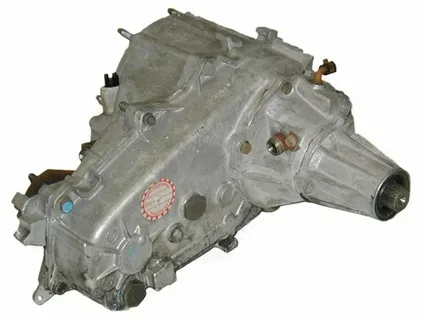
Many people confuse the transfer case with the differential, but they serve different functions.
Transfer Case
- Splits power between front and rear axles
- Found in AWD and 4WD vehicles
- Connected to transmission
Differential
- Splits power between left and right wheels
- Allows wheels to rotate at different speeds
- Located on each axle
Both components are essential for proper drivetrain operation.
Best Practices for Transfer Case Longevity
Proper driving habits can greatly increase transfer case lifespan.
Follow Service Intervals
Routine fluid replacement is one of the most effective ways to prevent internal wear.
Use Correct Drive Modes
Avoid engaging 4WD unnecessarily on dry roads.
Drive Smoothly Off-Road
Sudden acceleration and wheel hop create damaging shock loads.
Monitor Warning Signs
Address unusual noises or leaks immediately before major damage develops.
Use Quality Parts and Fluids
OEM-quality fluids and replacement parts improve reliability and durability.
Modern Transfer Case Technology
Automotive technology continues to improve transfer case design and performance.
Modern systems now include:
- Electronic torque management
- Automatic traction control integration
- Smart AWD systems
- Terrain response modes
- Computer-controlled locking mechanisms
Some advanced vehicles can dynamically adjust torque distribution hundreds of times per second based on traction conditions.
Electric vehicles are also influencing drivetrain evolution. While many EVs use separate electric motors instead of traditional transfer cases, hybrid drivetrain systems still utilize transfer-case-like functionality in certain applications.
Off-Road Performance and Transfer Cases
Off-road enthusiasts often upgrade transfer cases for improved durability and capability.
Popular modifications include:
- Heavy-duty chains
- Lower gear ratios
- Twin-stick shifters
- Reinforced housings
- Aftermarket gear sets
These upgrades improve crawling ability, towing strength, and drivetrain reliability under extreme conditions.
A low-range transfer case is especially important for serious off-roading because it delivers controlled torque at very low speeds.
Choosing the Right Transfer Case
When selecting a transfer case for replacement or modification, consider:
- Vehicle compatibility
- Intended use
- Torque capacity
- Gear ratios
- Electronic compatibility
- Drivetrain configuration
Daily drivers may prioritize smooth operation and fuel economy, while off-road enthusiasts often focus on durability and low-range performance.
Conclusion
The transfer case is one of the most important components in any four-wheel-drive or all-wheel-drive vehicle. By distributing engine power between the front and rear axles, it provides the traction, stability, and control needed for off-road adventures, difficult weather conditions, and demanding towing situations.
Understanding how a transfer case works can help drivers identify problems early, perform proper maintenance, and make informed repair decisions. Whether you own a rugged pickup truck, an off-road SUV, or a modern AWD crossover, keeping the transfer case in good condition is essential for long-term drivetrain reliability.
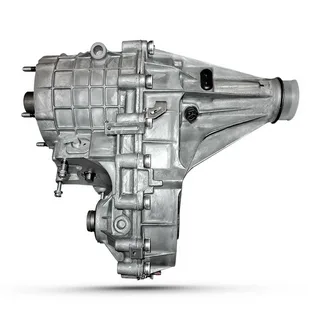
Routine fluid changes, responsible driving habits, and prompt attention to warning signs can significantly extend transfer case lifespan and reduce repair costs. As automotive technology continues to evolve, transfer cases are becoming smarter, more efficient, and increasingly integrated with advanced traction management systems.
For anyone serious about vehicle performance, off-road capability, or drivetrain reliability, the transfer case remains a vital piece of automotive engineering that deserves proper understanding and maintenance.