Introduction
The term “Luang Phor” carries profound spiritual, cultural, and historical significance within Thai society. Rooted deeply in the traditions of Theravāda Buddhism, this title is more than a simple honorific—it represents reverence, wisdom, and a connection to spiritual lineage. For those exploring Southeast Asian spirituality, Thai religious practices, or Buddhist monastic traditions, understanding the meaning and importance of “Luang Phor” provides valuable insight into how religion shapes daily life, identity, and moral values in Thailand.
This article explores the meaning of “Luang Phor,” its origins, how it is used, and why it continues to hold such importance in modern times. We will also examine its role in Buddhist practice, its association with sacred objects and amulets, and its cultural relevance both within Thailand and globally.
What Does “Luang Phor” Mean?
“Luang Phor” (หลวงพ่อ) is a Thai term used as an honorific title for highly respected Buddhist monks. The phrase translates roughly to “Venerable Father” or “Revered Father,” combining “Luang,” which denotes something royal, venerable, or highly esteemed, and “Phor,” meaning father.
Unlike generic titles given to monks, “Luang Phor” is typically reserved for senior monks who have earned deep respect due to their spiritual attainment, wisdom, or contributions to society. It is not a formal rank within the monastic hierarchy but rather a title bestowed through communal respect and devotion.
This distinction is important because it reflects the organic nature of reverence in Thai Buddhism—where spiritual authority is often recognized through lived experience, ethical conduct, and public trust rather than institutional designation alone.
Historical Origins of the Title
The use of honorific titles for monks in Thailand dates back centuries, influenced by the development of Theravāda Buddhism in the region. As Buddhism spread from India through Sri Lanka and into Southeast Asia, local cultures adapted religious practices and terminology.
In Thailand, the monarchy has historically played a central role in supporting Buddhism, leading to the development of a structured monastic system. Within this framework, certain monks gained prominence due to their teachings, meditation mastery, or perceived spiritual powers. Over time, communities began referring to these revered figures as “Luang Phor,” solidifying the term as a mark of deep respect.
Many of the most famous Luang Phor figures lived during the 19th and 20th centuries, a period when Thai Buddhism underwent significant reform and modernization. These monks often became spiritual anchors for their communities during times of social and political change.
The Role of Luang Phor in Thai Society
Luang Phor figures serve multiple roles within Thai society, extending far beyond the boundaries of monasteries. They are spiritual teachers, moral guides, healers, and sometimes even community leaders.
Spiritual Guidance
At the core of their role is teaching the principles of Buddhism, including mindfulness, compassion, and the path to enlightenment. Devotees often visit Luang Phor monks for advice on personal struggles, meditation practices, or ethical dilemmas. Their teachings are usually simple yet profound, emphasizing practical ways to live a virtuous life.
Community Leadership
In rural areas especially, a Luang Phor may act as a central figure in community life. Temples often serve as hubs for education, social gatherings, and charitable activities. The presence of a respected monk helps maintain social cohesion and moral standards.
Healing and Blessings
Many people believe that Luang Phor monks possess spiritual powers, including the ability to bless individuals, provide protection, and even heal illnesses. While these beliefs vary, they are an integral part of Thai religious culture. Rituals performed by these monks often involve chanting, holy water, and sacred inscriptions.
Luang Phor and Sacred Amulets
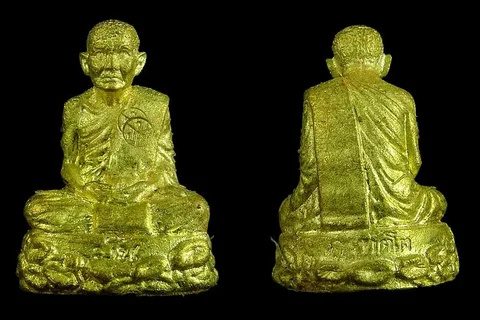
One of the most widely recognized aspects of Luang Phor culture is the creation and blessing of Buddhist amulets. These small objects, often worn around the neck, are believed to offer protection, luck, and spiritual benefits.
Amulets associated with famous Luang Phor monks can become highly valuable, both spiritually and monetarily. Collectors and devotees seek them not only for their aesthetic appeal but also for their perceived protective qualities.
Symbolism and Craftsmanship
Each amulet typically features an image of the monk or a revered Buddhist figure, along with sacred symbols or inscriptions. The process of creating and blessing these amulets is often elaborate, involving rituals that can last days or even weeks.
Cultural and Economic Impact
The amulet market in Thailand is substantial, with some rare pieces fetching high prices. This phenomenon highlights the intersection of faith, art, and commerce. However, for many believers, the true value of an amulet lies in its spiritual significance rather than its monetary worth.
Famous Luang Phor Figures
Throughout history, several monks have become widely known as Luang Phor due to their teachings and perceived spiritual abilities. These figures often attract large followings and continue to be revered even after their passing.
Their legacies are preserved through temples, written teachings, and the continued circulation of blessed amulets. Stories about their lives—often blending historical fact with folklore—serve as sources of inspiration and moral guidance.
The Spiritual Philosophy Behind Luang Phor Reverence
The reverence for Luang Phor monks is deeply rooted in Buddhist philosophy. In Theravāda Buddhism, respect for teachers is considered essential for spiritual growth. Monks who embody the teachings of the Buddha serve as living examples of the path to enlightenment.
Merit-Making (Bun)
One key concept is “merit-making,” or “bun.” Supporting monks, making donations to temples, and following their teachings are believed to generate positive karma. Luang Phor monks, due to their respected status, are often central to these practices.
Karma and Protection
The belief in karma also plays a role in the popularity of Luang Phor blessings and amulets. Many people see these practices as ways to enhance positive karma or protect themselves from negative influences.
Mindfulness and Ethical Living
Despite the emphasis on rituals and blessings, the core teachings associated with Luang Phor monks focus on mindfulness, ethical behavior, and inner peace. These principles align closely with the original teachings of the Buddha.
Modern Relevance of Luang Phor
In today’s rapidly changing world, the role of Luang Phor remains significant, though it has evolved in some ways. Urbanization, globalization, and technological advancements have influenced how people interact with religion.
Digital Presence
Many modern Luang Phor monks now reach wider audiences through social media, online sermons, and digital platforms. This has made their teachings more accessible, especially to younger generations.
Continued Cultural Importance
Despite modernization, the respect for Luang Phor figures remains deeply ingrained in Thai culture. Festivals, temple ceremonies, and daily rituals continue to revolve around these revered monks.
Global Interest
Interest in Thai Buddhism and Luang Phor culture has spread beyond Thailand. Tourists, scholars, and spiritual seekers from around the world visit temples and study these traditions. This global attention has helped preserve and promote the cultural heritage associated with Luang Phor.
Misconceptions and Criticism
While widely respected, the concept of Luang Phor is not without its criticisms and misunderstandings.
Some critics argue that the commercialization of amulets and the attribution of supernatural powers to monks can distract from the core teachings of Buddhism. Others point out that not all individuals given the title necessarily live up to its ideals.
These concerns highlight the importance of discernment and a balanced understanding of religious practices. At its best, the tradition of Luang Phor emphasizes wisdom, compassion, and ethical living rather than superstition or material gain.
Visiting a Luang Phor Temple
For those interested in experiencing this aspect of Thai culture firsthand, visiting a temple associated with a Luang Phor can be a meaningful experience.
Etiquette
Visitors are expected to dress modestly, remove their shoes before entering temple buildings, and behave respectfully. Offering donations or participating in rituals is optional but often appreciated.
What to Expect
You may witness chanting ceremonies, meditation sessions, or blessing rituals. The atmosphere is typically शांत and reflective, providing an opportunity for personal introspection.
Cultural Sensitivity
Understanding the cultural context is essential. What may seem unusual to outsiders often carries deep symbolic meaning for practitioners.
Conclusion
“Luang Phor” is far more than a title—it is a reflection of Thailand’s spiritual heritage, cultural values, and communal respect for wisdom and virtue. These revered monks play a vital role in guiding individuals, strengthening communities, and preserving the teachings of Buddhism.
From their influence in daily life to their association with sacred amulets and rituals, Luang Phor figures continue to shape both traditional and modern expressions of faith. While interpretations and practices may evolve, the core ideals they represent—compassion, mindfulness, and ethical living—remain timeless.
For anyone seeking to understand Thai culture or Buddhist spirituality, exploring the meaning and significance of Luang Phor offers a rich and enlightening journey.