Introduction
The term “Luang Phor” holds deep spiritual and cultural significance in Thailand and throughout the broader Buddhist world. Anyone who has visited Thailand, explored Thai temples, or studied Theravada Buddhism has likely encountered this respected title. More than just a form of address, Luang Phor represents reverence, wisdom, compassion, and spiritual authority within Thai Buddhist tradition. In Thailand, monks play a central role in society, guiding communities morally and spiritually, and the title Luang Phor is often associated with highly respected senior monks known for their meditation practice, teachings, and charitable works.
As global interest in Buddhism continues to grow, many travelers, researchers, and spiritual seekers are becoming curious about terms like Luang Phor and their deeper meanings. Understanding this title offers valuable insight into Thai culture, religion, meditation traditions, and the unique relationship between monks and society in Southeast Asia.
This article explores the meaning of Luang Phor, its historical origins, cultural relevance, famous monks associated with the title, spiritual practices, temple traditions, and the enduring influence these revered figures continue to have in modern Thailand.
What Does Luang Phor Mean?
The phrase “Luang Phor” comes from the Thai language and is commonly translated as “Venerable Father” or “Revered Father.” It is an honorific title used for senior Buddhist monks in Thailand who are highly respected by local communities and followers.
In Thai culture, respect for elders and spiritual teachers is deeply embedded in everyday life. The title combines two words: “Luang,” which conveys greatness or reverence, and “Phor,” meaning father. Together, the phrase reflects affection, honor, and recognition of a monk’s wisdom and moral leadership.
Unlike formal ecclesiastical titles assigned by the Thai monastic hierarchy, Luang Phor is often used informally by devotees and temple visitors. However, it carries immense emotional and spiritual weight. When Thai people refer to a monk as Luang Phor, they usually mean someone who has earned profound respect through years of discipline, meditation, teaching, and service.
The title is particularly common among monks associated with meditation traditions, miracle stories, sacred amulets, and influential temples.
The Role of Buddhist Monks in Thailand
To understand the significance of Luang Phor, it is important to understand the broader role of Buddhist monks in Thai society. Buddhism is deeply woven into Thailand’s cultural identity, with more than 90 percent of the population identifying as Buddhist.
Monks are not merely religious figures; they serve as teachers, counselors, historians, moral guides, and community leaders. Temples function as spiritual centers where people gather for worship, education, festivals, and charitable activities.
Many Thai men spend time as novice monks or ordained monks during their lives, often as a rite of passage or spiritual practice. Senior monks who demonstrate exceptional discipline and compassion may eventually become widely respected and receive titles such as Luang Phor from followers.
These monks often guide people through difficult life experiences, provide meditation instruction, bless homes and businesses, perform ceremonies, and preserve ancient Buddhist teachings.
Historical Origins of the Title Luang Phor
The use of honorific titles for monks dates back centuries in Thailand’s Buddhist history. Influenced by Theravada Buddhist traditions from Sri Lanka and neighboring Southeast Asian kingdoms, Thailand developed a rich monastic culture centered on temple communities.
Over time, revered monks became known not only for scriptural learning but also for meditation mastery and perceived spiritual powers. Villagers often viewed these monks as protectors capable of offering blessings, healing, and guidance.
The term Luang Phor gained popularity as communities sought respectful ways to address senior monks who demonstrated extraordinary virtue. In many cases, these monks lived simple lives despite their fame, emphasizing humility and mindfulness.
As Thai Buddhism evolved, stories about famous Luang Phor figures spread through oral tradition, books, temple inscriptions, and later radio, television, and the internet. Today, many historical Luang Phor monks remain legendary figures in Thai religious culture.
Famous Luang Phor Monks in Thailand
Thailand has produced numerous renowned monks referred to as Luang Phor. Many are remembered for their teachings, meditation expertise, charitable work, and sacred amulets.
Luang Phor Thuad
One of the most famous figures in Thai Buddhism is Luang Phor Thuad, a legendary monk believed to have lived in the 16th and 17th centuries. He is especially famous for stories involving miraculous events, including turning seawater into fresh water during a sea voyage.
Amulets bearing Luang Phor Thuad’s image are among the most revered in Thailand. Many people believe these amulets provide protection from danger and accidents.
Luang Phor Khun
Luang Phor Khun was one of Thailand’s most beloved modern monks. Known for his humility, humor, and generosity, he became famous for supporting schools, hospitals, and infrastructure projects.
Unlike some monks who remained distant from public attention, Luang Phor Khun connected deeply with ordinary people. His blessings and teachings attracted followers from across Thailand and internationally.
Luang Phor Sodh
Luang Phor Sodh Candasaro is remembered for reviving and teaching the Dhammakaya meditation method. He founded Wat Paknam Bhasicharoen and significantly influenced modern Thai meditation traditions.
His teachings emphasized inner stillness, mindfulness, and direct spiritual experience.
Luang Phor Cha
Although internationally known as Ajahn Chah, many Thai devotees referred to him respectfully as Luang Phor Cha. He played a major role in spreading Thai Forest Tradition Buddhism globally.
His teachings focused on simplicity, mindfulness, detachment, and practical wisdom. Western disciples helped introduce his teachings to Europe, America, and Australia.
Luang Phor and Sacred Amulets
One of the most fascinating aspects of Thai Buddhist culture is the connection between Luang Phor monks and sacred amulets. Throughout Thailand, devotees collect, wear, and venerate amulets blessed by respected monks.
These amulets are believed to offer spiritual protection, good fortune, confidence, and blessings. While some outsiders misunderstand this practice as superstition, many Thai Buddhists see amulets as reminders of moral teachings and spiritual mindfulness.
Famous Luang Phor monks often became associated with particularly sought-after amulets. Collectors may spend years searching for authentic pieces linked to revered temples and monks.
The popularity of Buddhist amulets has also created a significant market involving collectors, historians, and spiritual practitioners. Some rare amulets associated with legendary Luang Phor monks are valued at extremely high prices.
Despite commercial aspects, many monks remind followers that true Buddhist practice depends on ethical behavior, meditation, and wisdom rather than material objects.
The Spiritual Teachings of Luang Phor Monks
While many people know Luang Phor monks through miracle stories or amulets, their greatest contributions often lie in their teachings.
Most Luang Phor monks emphasize core Buddhist principles such as:
- Mindfulness
- Compassion
- Impermanence
- Karma
- Meditation
- Ethical living
- Detachment from greed and anger
Their teachings frequently focus on practical spirituality applicable to daily life. Rather than abstract philosophy, many Thai monks explain Buddhism through simple stories, relatable examples, and compassionate guidance.
Meditation is particularly important in many Luang Phor traditions. Monks encourage followers to calm the mind, observe thoughts without attachment, and cultivate inner peace.
Thai Forest Tradition monks associated with the title Luang Phor often stress living close to nature, reducing worldly distractions, and developing direct insight into the mind.
Temples Associated with Luang Phor Monks
Across Thailand, numerous temples are famous because of their connection to revered Luang Phor figures. These temples attract pilgrims, tourists, and spiritual practitioners seeking blessings and inspiration.
Some temples become major religious destinations due to the reputation of a particular monk or sacred relic.
Wat Huay Mongkol
This temple is famous for its giant statue of Luang Phor Thuad. Visitors come to pray, meditate, and seek blessings for safety and prosperity.
Wat Ban Rai
Associated with Luang Phor Khun, this temple became one of Thailand’s most visited spiritual destinations. It reflects the monk’s commitment to education and community development.
Wat Paknam Bhasicharoen
Founded by Luang Phor Sodh, this temple remains an important center for meditation practice and Buddhist learning.
Wat Nong Pah Pong
Established by Ajahn Chah, this forest monastery became internationally respected for meditation training and monastic discipline.
These temples preserve not only physical structures but also living traditions passed down through generations.
Why Thai People Respect Luang Phor Monks
Respect for Luang Phor monks goes beyond religious obligation. In Thai culture, these monks often symbolize moral integrity in a rapidly changing world.
People seek guidance from Luang Phor monks during times of uncertainty, grief, illness, and personal struggle. Their calm presence and compassionate teachings provide emotional comfort and spiritual direction.
Many monks dedicate their lives to helping poor communities, funding schools, supporting hospitals, and promoting peace. Their charitable activities strengthen their reputation and deepen public trust.
Thai society places high value on humility and self-control, qualities often embodied by respected monks. Stories of monks living simple lives despite fame inspire admiration among followers.
Even younger generations continue to visit temples and seek blessings from senior monks, demonstrating the enduring relevance of these spiritual traditions.
The Difference Between Luang Phor and Other Buddhist Titles
For those unfamiliar with Thai Buddhism, it can be confusing to distinguish between titles like Luang Phor, Ajahn, and Phra.
Phra
“Phra” is a general term used for monks, sacred objects, and revered religious figures.
Ajahn
“Ajahn” means teacher and is often used for monks who instruct others in Buddhist teachings and meditation.
Luang Phor
Luang Phor specifically conveys affectionate reverence toward senior monks regarded as spiritually accomplished and respected by the community.
A monk may simultaneously be called Ajahn and Luang Phor depending on context and personal relationships with followers.
Luang Phor in Modern Media and Popular Culture
In modern Thailand, Luang Phor monks continue to influence society through television programs, books, social media, and online teachings.
Some monks attract millions of followers who watch sermons digitally and share teachings through social platforms. While traditional temple life remains important, technology has expanded the reach of Buddhist instruction.
Documentaries and films often portray famous Luang Phor figures as symbols of wisdom and compassion. Their stories inspire both religious devotion and cultural pride.
At the same time, commercialization and celebrity culture have created debates about authenticity within modern Buddhism. Some critics worry that excessive focus on miracles, amulets, and donations may distract from core Buddhist teachings.
Many respected monks address these concerns by emphasizing mindfulness, morality, and meditation above materialism.
International Interest in Luang Phor Traditions
As mindfulness and meditation gain popularity worldwide, international interest in Thai Buddhism has increased significantly. Travelers visiting Thailand frequently encounter Luang Phor traditions while exploring temples and monasteries.
Western practitioners often study under Thai meditation masters connected to forest monasteries and Theravada traditions. Books translated into English have helped spread the teachings of influential monks globally.
Retreat centers associated with famous Luang Phor teachers attract students from around the world seeking deeper spiritual understanding.
This international exposure has helped preserve traditional teachings while also adapting them for modern global audiences.
How to Show Respect When Visiting a Thai Temple
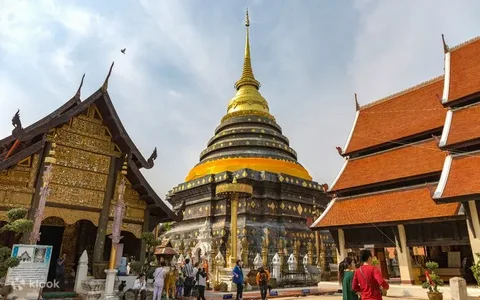
Visitors interested in learning about Luang Phor monks should understand proper temple etiquette in Thailand.
Showing respect is essential in Thai Buddhist culture. Common guidelines include:
- Dress modestly
- Remove shoes before entering temple buildings
- Speak quietly
- Avoid pointing feet toward monks or Buddha images
- Women should avoid physical contact with monks
- Ask permission before taking photographs
When greeting monks, Thai people often perform the wai gesture by placing their palms together respectfully.
Donations to temples are voluntary and usually support maintenance, education, and charitable activities.
Understanding these customs enhances cultural appreciation and helps visitors engage respectfully with local traditions.
The Connection Between Luang Phor and Meditation
Meditation remains one of the central aspects of many Luang Phor teachings. Thailand has long been recognized as an important center for meditation practice, particularly within the Theravada tradition.
Many revered monks spent years practicing meditation in forests, caves, and remote monasteries. Their dedication inspired generations of practitioners seeking inner peace and spiritual insight.
Meditation techniques taught by Luang Phor monks may include:
- Breath awareness
- Loving-kindness meditation
- Mindfulness practice
- Concentration exercises
- Insight meditation
These practices aim to reduce suffering, cultivate wisdom, and develop compassion.
Today, meditation retreats associated with famous Thai monks continue attracting both local and international participants.
Misconceptions About Luang Phor Traditions
Despite growing interest in Thai Buddhism, misunderstandings about Luang Phor traditions still exist.
Some people focus exclusively on supernatural stories while ignoring deeper teachings about ethics and mindfulness. Others mistakenly assume Buddhism revolves entirely around rituals and amulets.
In reality, most respected Luang Phor monks emphasize personal responsibility, compassion, and mental discipline rather than magical thinking.
Another misconception is that all monks seek fame or wealth. While some controversies occasionally arise, many senior monks live modestly and dedicate themselves sincerely to spiritual practice and public service.
Understanding the broader context of Thai Buddhism helps separate sensational myths from authentic spiritual traditions.
The Lasting Legacy of Luang Phor Monks
The influence of Luang Phor monks extends far beyond temples and religious ceremonies. Their teachings shape family values, education, charitable work, and community life throughout Thailand.
Many schools, hospitals, and public institutions exist because of donations inspired by respected monks. Their moral guidance continues influencing generations of Thai people navigating modern challenges.
In an increasingly fast-paced world, the calm wisdom associated with Luang Phor figures offers a sense of stability and spiritual grounding. Their teachings encourage mindfulness, generosity, patience, and compassion—qualities that remain universally valuable regardless of culture or religion.
The enduring popularity of Luang Phor traditions demonstrates the powerful human desire for wisdom, connection, and inner peace.
Conclusion
Luang Phor is far more than a title. It represents spiritual respect, cultural identity, and the enduring importance of Buddhist wisdom in Thai society. From legendary monks and sacred amulets to meditation teachings and temple traditions, the concept of Luang Phor reflects centuries of devotion and moral guidance.
As global interest in mindfulness and Buddhism continues growing, understanding the meaning and significance of Luang Phor offers valuable insight into Thai spirituality and culture. These revered monks continue inspiring millions through their compassion, humility, teachings, and dedication to helping others.
Whether encountered in a quiet temple, a meditation retreat, a historical story, or a sacred amulet, the legacy of Luang Phor remains deeply woven into the spiritual heart of Thailand.