Introduction
Listao tuna is one of the most widely consumed and commercially important fish species in the world. Known internationally as skipjack tuna, listao tuna plays a major role in global seafood markets, canned tuna production, culinary traditions, and sustainable fishing discussions. Its affordability, nutritional value, strong flavor, and versatility make it a favorite among consumers, restaurants, and food manufacturers alike.
From sushi bars in Japan to Mediterranean salads, from canned tuna sandwiches to protein-rich fitness meals, listao tuna has become an essential part of diets across continents. As demand for healthy and sustainable protein sources continues to rise, understanding the benefits, characteristics, and environmental impact of listao tuna is more important than ever.
This comprehensive guide explores everything about listao tuna, including its origins, nutritional profile, fishing methods, health benefits, culinary uses, sustainability concerns, and how it compares with other tuna species. Whether you are a seafood enthusiast, health-conscious consumer, chef, or business owner in the seafood industry, this article provides valuable insights into one of the ocean’s most significant fish species.
What Is Listao Tuna?
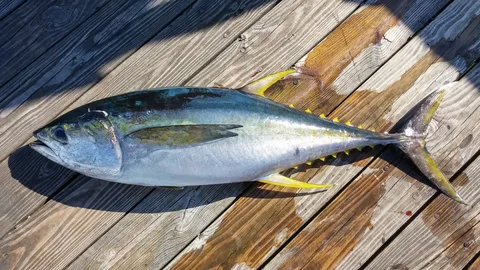
Listao tuna, commonly referred to as skipjack tuna, belongs to the species Katsuwonus pelamis. It is a fast-swimming pelagic fish found in tropical and subtropical oceans around the globe. The term “listao” is commonly used in Spanish- and Portuguese-speaking regions, while English-speaking countries generally use the term “skipjack tuna.”
This species is recognized by its streamlined body, dark bluish-purple back, and distinctive horizontal stripes along the lower sides of its body. Unlike larger tuna species such as bluefin tuna, listao tuna is relatively small, usually weighing between 3 and 10 kilograms.
Listao tuna is especially important because it accounts for the majority of canned tuna products sold worldwide. Due to its rapid growth rate and high reproduction levels, it is often considered one of the more sustainable tuna species when responsibly managed.
Habitat and Distribution of Listao Tuna
Listao tuna inhabits warm ocean waters across the Atlantic, Pacific, and Indian Oceans. It thrives in temperatures ranging from 20°C to 30°C and is commonly found near the surface of the water.
These fish are highly migratory and travel in large schools, often alongside other tuna species such as yellowfin tuna and bigeye tuna. Their schooling behavior makes them easier to catch in large quantities, which contributes to their importance in commercial fisheries.
The Pacific Ocean contains the largest populations of listao tuna, particularly in regions near Southeast Asia, the Western Pacific Islands, and Central Pacific waters. Major fishing nations include Indonesia, Japan, Taiwan, the Philippines, Spain, Ecuador, and several Pacific Island countries.
Because listao tuna reproduce quickly and mature at a young age, their populations tend to recover more efficiently than some slower-growing fish species. This biological advantage has helped maintain relatively stable global stocks in many regions.
Nutritional Value of Listao Tuna

One of the biggest reasons for the popularity of listao tuna is its excellent nutritional profile. It is rich in high-quality protein while remaining relatively low in fat and calories.
A standard serving of listao tuna provides essential nutrients such as omega-3 fatty acids, vitamin D, vitamin B12, selenium, phosphorus, and niacin. These nutrients support heart health, brain function, immune performance, and muscle development.
High-Quality Protein Source
Listao tuna is an excellent source of lean protein. Protein is essential for muscle repair, tissue growth, hormone production, and overall body maintenance. Athletes and fitness enthusiasts often include tuna in their diets because it supports muscle recovery while remaining low in saturated fat.
A 100-gram serving of listao tuna may contain approximately 22 to 25 grams of protein, making it one of the best seafood choices for protein intake.
Rich in Omega-3 Fatty Acids
Omega-3 fatty acids are beneficial fats associated with improved cardiovascular health, reduced inflammation, and enhanced brain function. Regular consumption of omega-3-rich fish like listao tuna may help lower the risk of heart disease and support cognitive health.
Although listao tuna contains less fat than species like albacore or bluefin tuna, it still offers meaningful amounts of beneficial omega-3s.
Vitamins and Minerals
Listao tuna contains important micronutrients that support overall wellness. Vitamin B12 helps maintain nerve function and red blood cell formation. Selenium acts as a powerful antioxidant that protects cells from oxidative stress. Vitamin D supports bone health and immune system performance.
These nutrients make listao tuna a nutrient-dense food suitable for balanced diets.
Health Benefits of Eating Listao Tuna
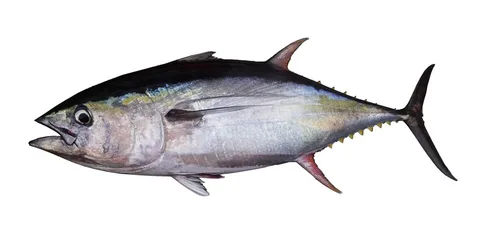
Including listao tuna in a balanced diet may offer numerous health benefits. As a lean seafood option rich in protein and essential nutrients, it supports several aspects of physical and mental health.
Supports Heart Health
The omega-3 fatty acids found in listao tuna may help reduce triglyceride levels, lower blood pressure, and decrease inflammation. These effects contribute to better cardiovascular health and may reduce the risk of heart disease and stroke.
Replacing processed meats with seafood such as listao tuna can also reduce overall saturated fat intake.
Helps With Weight Management
Because listao tuna is high in protein and relatively low in calories, it can help increase satiety and reduce hunger. Protein-rich meals often promote fullness, which may assist with healthy weight management.
Many diet plans incorporate tuna because it provides substantial nutrition without excessive calories.
Enhances Brain Function
Omega-3 fatty acids are strongly linked to cognitive health and brain development. Regular fish consumption may support memory, concentration, and mental performance.
Some studies also suggest that diets rich in omega-3s may help reduce the risk of cognitive decline associated with aging.
Supports Muscle Growth and Recovery
The high protein content of listao tuna makes it beneficial for active individuals, athletes, and people recovering from physical activity. Protein is essential for repairing muscle tissue and maintaining lean body mass.
Listao Tuna in Global Cuisine
Listao tuna is used in countless culinary traditions around the world. Its firm texture, rich flavor, and affordability make it suitable for both simple home cooking and gourmet dishes.
Canned Tuna Products
Most canned tuna sold globally contains listao tuna. It is commonly packed in water, oil, or brine and used in sandwiches, salads, pasta dishes, casseroles, and snacks.
Canned listao tuna is valued for its convenience, long shelf life, and nutritional benefits.
Japanese Cuisine
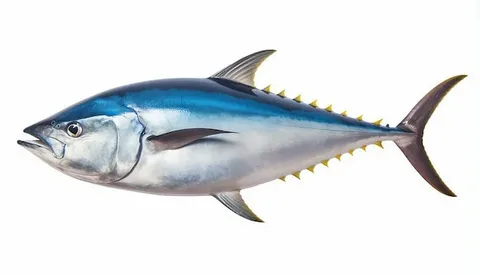
In Japan, skipjack tuna is known as “katsuo.” It is used in traditional dishes such as tataki, where the fish is lightly seared and served with citrus-based sauces.
Dried and smoked skipjack tuna flakes, called katsuobushi, are a foundational ingredient in Japanese cooking. They are used to make dashi broth, which forms the base of many soups and sauces.
Mediterranean Dishes
Mediterranean cuisine frequently incorporates tuna into salads, pasta dishes, pizzas, and seafood platters. Olive oil-packed tuna is especially popular in countries like Spain, Italy, and Portugal.
Latin American Recipes
In many Latin American countries, listao tuna is mixed with vegetables, rice, mayonnaise, or spices to create affordable and flavorful meals. Tuna empanadas, sandwiches, and rice bowls are common household dishes.
Commercial Importance of Listao Tuna
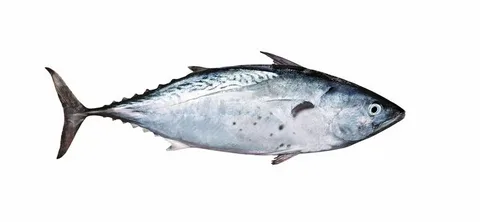
Listao tuna is one of the most economically significant fish species in the seafood industry. It accounts for a major percentage of global tuna catches and supports millions of jobs in fishing, processing, transportation, and retail.
The canned tuna industry alone generates billions of dollars annually, with listao tuna serving as the primary raw material.
Major exporting countries process tuna for international markets, especially in Europe, North America, and Asia. Tuna processing plants are important employers in coastal regions and island economies.
Because of its affordability, listao tuna provides accessible protein to millions of consumers worldwide, particularly in developing nations where food security remains a concern.
Fishing Methods Used for Listao Tuna
Commercial fisheries use several methods to catch listao tuna. The most common techniques include purse seine fishing, pole-and-line fishing, and trolling.
Purse Seine Fishing
Purse seine fishing involves surrounding large schools of tuna with a massive net. Once enclosed, the bottom of the net is drawn together like a purse to capture the fish.
This method is highly efficient and responsible for most industrial tuna catches. However, concerns exist regarding bycatch, especially when fish aggregating devices are used.
Pole-and-Line Fishing
Pole-and-line fishing is considered one of the most environmentally friendly tuna fishing methods. Fishermen use poles and bait to catch tuna individually.
This technique reduces bycatch and supports sustainable fishing practices. It is widely used in regions such as the Maldives and parts of Indonesia.
Trolling
Trolling involves dragging baited lines behind moving boats. Although less efficient for large-scale operations, it can minimize environmental impact.
Sustainability and Environmental Concerns
Sustainability is one of the most important issues in the modern seafood industry. While listao tuna is generally considered more sustainable than some other tuna species, responsible management remains essential.
Population Status
Many listao tuna populations are currently considered healthy due to their fast growth and high reproductive capacity. International fisheries organizations monitor tuna stocks and establish quotas to prevent overfishing.
However, regional differences exist, and some fisheries require stricter management to ensure long-term sustainability.
Bycatch Problems
One of the major environmental concerns associated with tuna fishing is bycatch. Bycatch refers to the accidental capture of non-target species such as dolphins, sharks, turtles, and juvenile fish.
Fishing methods that use fish aggregating devices can increase bycatch rates. Sustainable fisheries are increasingly adopting improved technologies and regulations to reduce environmental harm.
Certifications and Sustainable Labels
Consumers can support sustainable seafood by choosing products certified by organizations such as the Marine Stewardship Council. These certifications indicate that fisheries meet environmental and management standards.
Reading labels and researching seafood brands can help consumers make more responsible purchasing decisions.
Difference Between Listao Tuna and Other Tuna Species
There are several commercially important tuna species, each with unique characteristics. Understanding the differences helps consumers choose products based on flavor, nutrition, price, and sustainability.
Listao Tuna vs Bluefin Tuna
Bluefin tuna is larger, fattier, and more expensive than listao tuna. It is highly prized for sushi and sashimi, particularly in Japan.
Listao tuna is more affordable and commonly used in canned products. Bluefin populations have faced severe overfishing issues, while listao tuna is generally more abundant.
Listao Tuna vs Yellowfin Tuna
Yellowfin tuna has a milder flavor and firmer texture compared to listao tuna. It is frequently sold fresh or frozen for steaks and sushi.
Listao tuna tends to have a stronger taste and darker meat, making it suitable for canned products and cooked dishes.
Listao Tuna vs Albacore Tuna
Albacore tuna has lighter-colored flesh and a milder flavor. It is often marketed as “white tuna” in canned products.
Listao tuna has darker meat and a more pronounced flavor profile. It is usually labeled as “light tuna.”
Mercury Levels in Listao Tuna
Mercury content is an important consideration when consuming seafood. Larger predatory fish tend to accumulate more mercury over time.
Because listao tuna is relatively small and grows quickly, it generally contains lower mercury levels than larger species such as bluefin or bigeye tuna. This makes it a safer option for regular consumption when eaten in moderation.
Health authorities often recommend limiting intake of high-mercury fish, especially for pregnant women and young children. Listao tuna is typically considered one of the better tuna choices regarding mercury exposure.
How to Choose High-Quality Listao Tuna
Selecting quality tuna products ensures better flavor, nutrition, and safety.
Check the Label
Look for labels that specify the tuna species, fishing method, and sustainability certifications. Products labeled as pole-and-line caught or MSC-certified may indicate more environmentally responsible sourcing.
Evaluate Packaging
Canned tuna should have intact packaging without dents, leaks, or swelling. Fresh tuna should appear moist, firm, and free of unpleasant odors.
Consider Ingredients
Choose products with minimal additives and lower sodium content when possible. Tuna packed in olive oil may offer richer flavor, while water-packed tuna contains fewer calories.
Best Ways to Cook Listao Tuna
Listao tuna is highly versatile and can be prepared using numerous cooking techniques.
Grilling
Grilled tuna steaks develop a smoky flavor and firm texture. Marinating the fish with herbs, citrus, and olive oil can enhance taste.
Baking
Baking tuna with vegetables, garlic, and seasonings creates a healthy and convenient meal.
Salads and Sandwiches
Canned listao tuna works perfectly in salads, wraps, sandwiches, and pasta dishes. Combining tuna with fresh vegetables creates balanced and nutritious meals.
Sushi and Raw Preparations
In some cuisines, fresh skipjack tuna is served raw or lightly seared. Proper sourcing and food safety practices are essential when consuming raw seafood.
Economic and Social Impact of the Tuna Industry
The tuna industry supports livelihoods for millions of people worldwide. Coastal communities depend on tuna fisheries for employment, income, and food security.
Processing plants, shipping companies, retailers, and restaurants all benefit from tuna commerce. In many island nations, tuna exports contribute significantly to national economies.
However, labor conditions and fair compensation remain important issues in some regions. Ethical sourcing and transparent supply chains are increasingly important for responsible seafood businesses.
Future Trends in Listao Tuna Consumption
Consumer preferences are evolving as awareness of nutrition and sustainability grows. Several trends are shaping the future of listao tuna.
Rising Demand for Sustainable Seafood
Consumers increasingly seek eco-friendly seafood products. Brands that prioritize responsible fishing practices are likely to gain stronger market positions.
Growth of Ready-to-Eat Products
Convenient protein-rich foods continue to grow in popularity. Tuna snack packs, salads, and prepared meals are becoming common in supermarkets worldwide.
Increased Traceability
Digital technologies and improved labeling systems are helping consumers trace seafood products from ocean to table. Transparency is becoming a key factor in purchasing decisions.
Conclusion
Listao tuna is far more than just a common canned fish. It is a globally significant seafood species that provides affordable nutrition, supports international economies, and serves as a staple ingredient in countless cuisines. Rich in protein, omega-3 fatty acids, vitamins, and minerals, listao tuna offers substantial health benefits while remaining accessible to consumers around the world.
Its versatility in cooking, relatively lower mercury levels, and generally stable populations contribute to its enduring popularity. At the same time, sustainability challenges such as bycatch and responsible fisheries management highlight the importance of informed consumer choices.
As the global demand for healthy and sustainable protein sources continues to grow, listao tuna will likely remain a central part of the seafood industry for decades to come. By choosing responsibly sourced products and understanding the environmental impact of seafood consumption, consumers can enjoy the benefits of listao tuna while supporting healthier oceans and more sustainable fisheries.