Introduction to Koriandri
Koriandri, more commonly known in English as coriander, is one of the most versatile and widely used herbs and spices across the globe. From fragrant leaves to aromatic seeds, every part of the plant offers culinary, medicinal, and even cultural value. Whether sprinkled fresh over dishes or ground into spice blends, koriandri plays a central role in cuisines ranging from South Asian and Middle Eastern to Latin American and Mediterranean traditions. This blog explores koriandri in depth—its origins, uses, health benefits, cultivation, and why it continues to be an essential ingredient in kitchens worldwide.
What Is Koriandri?
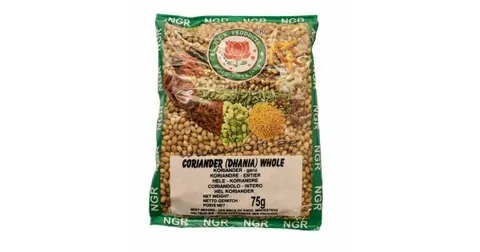
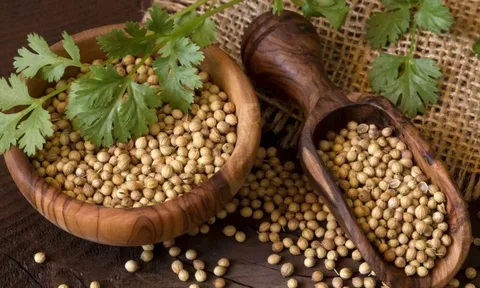
Koriandri refers to the plant Coriandrum sativum, an annual herb belonging to the parsley family. Interestingly, the plant offers two distinct culinary products: the fresh green leaves (often called cilantro in some regions) and the dried seeds (referred to as coriander). Each has its own flavor profile and application. The leaves are bright, citrusy, and slightly peppery, while the seeds are warm, nutty, and mildly sweet. This dual identity makes koriandri unique among herbs.
Historical Background of Koriandri
Koriandri has a long and rich history dating back thousands of years. It is believed to have originated in regions spanning Southern Europe, North Africa, and Western Asia. Ancient civilizations, including the Egyptians, Greeks, and Romans, used koriandri not only as a culinary spice but also for medicinal and ceremonial purposes. Archaeological evidence suggests coriander seeds were found in ancient tombs, indicating their importance in early societies. Over time, trade routes helped spread koriandri across continents, embedding it into diverse culinary traditions.
Culinary Uses of Koriandri
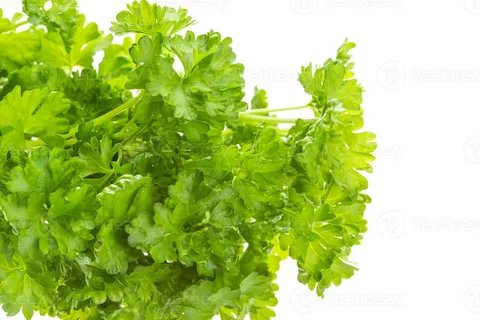
Koriandri is a staple ingredient in countless recipes. Its versatility allows it to be used in both fresh and dried forms.
Fresh Leaves (Cilantro)
Fresh koriandri leaves are widely used as a garnish and flavor enhancer. They add brightness to dishes such as curries, soups, salads, and salsas. In South Asian cuisine, chopped coriander leaves are often sprinkled over lentils and rice dishes, while in Mexican cooking, they are essential in guacamole and pico de gallo.
Coriander Seeds
The seeds are commonly used whole or ground. They are a key component in spice blends such as curry powder, garam masala, and pickling spices. Roasting coriander seeds enhances their flavor, making them ideal for use in marinades, stews, and baked goods.
Powdered Coriander
Ground koriandri is widely used in spice mixes and adds depth to savory dishes. It pairs exceptionally well with cumin, turmeric, and chili, forming the backbone of many traditional recipes.
Nutritional Value of Koriandri
Koriandri is not just a flavor enhancer—it also offers significant nutritional benefits. It contains essential vitamins such as vitamin A, vitamin C, and vitamin K. Additionally, it provides minerals like potassium, calcium, and magnesium. The seeds are rich in dietary fiber and contain beneficial antioxidants that help combat oxidative stress in the body.
Health Benefits of Koriandri
Koriandri has been used in traditional medicine for centuries due to its therapeutic properties.
Digestive Health
Koriandri is known to aid digestion by stimulating the production of digestive enzymes. It can help reduce bloating, gas, and indigestion.
Blood Sugar Regulation
Some studies suggest that koriandri seeds may help lower blood sugar levels by improving insulin function, making it beneficial for individuals managing diabetes.
Anti-Inflammatory Properties
The antioxidants in koriandri help reduce inflammation, which is linked to various chronic diseases.
Heart Health
Koriandri may contribute to improved heart health by lowering bad cholesterol (LDL) and increasing good cholesterol (HDL).
Detoxification
Koriandri is believed to help remove heavy metals from the body, supporting natural detoxification processes.
Koriandri in Traditional Medicine
In Ayurvedic and traditional Chinese medicine, koriandri has been used to treat a variety of ailments. It is often recommended for digestive issues, skin conditions, and respiratory problems. Coriander tea, made by steeping seeds in hot water, is a popular remedy for soothing stomach discomfort and promoting overall wellness.
Cultivation of Koriandri
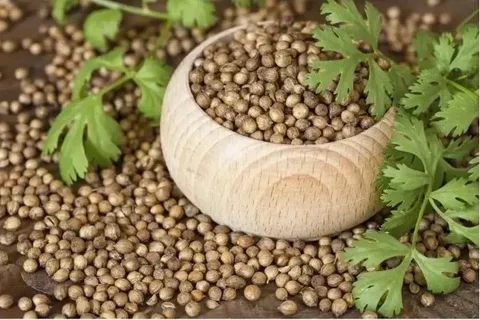
Growing koriandri at home is relatively easy, making it a favorite among home gardeners.
Climate and Soil
Koriandri thrives in cool climates and well-drained soil. It prefers moderate sunlight and can be grown in gardens or containers.
Planting and Care
Seeds should be sown directly into the soil, as koriandri does not transplant well. Regular watering is essential, but overwatering should be avoided to prevent root rot.
Harvesting
The leaves can be harvested once the plant reaches a suitable size, while seeds are collected after the plant flowers and dries.
Koriandri in Global Cuisines
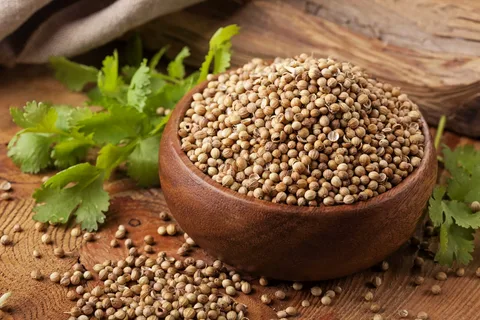
Koriandri holds a special place in many culinary traditions.
South Asian Cuisine
In countries like India and Pakistan, koriandri is indispensable. It is used in curries, chutneys, and spice blends.
Middle Eastern Cuisine
Koriandri seeds are often used in meat dishes, soups, and spice mixes.
Latin American Cuisine
Fresh coriander leaves are a staple in salsas, tacos, and rice dishes.
European Cuisine
In some European traditions, coriander seeds are used in bread, sausages, and liqueurs.
Cultural Significance of Koriandri
Beyond its culinary and medicinal uses, koriandri has cultural and symbolic importance. In some traditions, it is associated with protection and healing. It has been used in rituals and believed to bring good fortune.
Common Myths About Koriandri
Despite its popularity, koriandri is sometimes misunderstood.
Myth: Everyone Loves Koriandri
In reality, some people perceive its taste as soapy due to genetic differences in taste receptors.
Myth: Leaves and Seeds Taste the Same
The leaves and seeds have entirely different flavor profiles and are used differently in cooking.
Tips for Using Koriandri
To get the most out of koriandri, consider these practical tips: always use fresh leaves for garnishing to retain their flavor; roast seeds before grinding to enhance aroma; store leaves in the refrigerator and seeds in an airtight container; and add fresh koriandri at the end of cooking to preserve its vibrant taste.
Conclusion
Koriandri is much more than just a kitchen ingredient—it is a herb rich in history, flavor, and health benefits. Its ability to adapt to different cuisines and its wide range of uses make it an essential component of global culinary traditions. Whether you are a home cook, a professional chef, or someone interested in natural remedies, incorporating koriandri into your daily life can enhance both taste and well-being. As you explore its many forms and applications, you will discover why koriandri continues to be cherished across cultures and generations.