Introduction
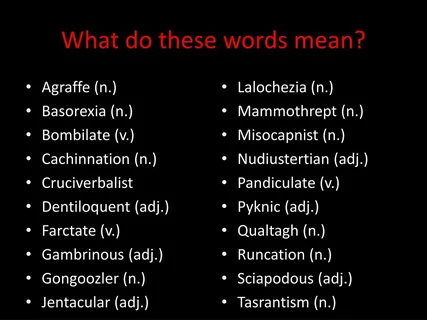
Language is filled with fascinating, obscure, and often underappreciated words that capture nuanced human behaviors with remarkable precision. One such word is “dentiloquent.” Though rarely used in everyday conversation, it offers a vivid and somewhat humorous description of a specific speaking habit. In an age where communication styles are constantly evolving—through digital platforms, professional environments, and social interactions—understanding such terms can deepen both linguistic appreciation and expressive clarity. This article explores the meaning, etymology, contextual usage, and modern relevance of the word “dentiloquent,” along with practical examples and insights into why such words still matter today.
What Does “Dentiloquent” Mean?

The term “dentiloquent” is an adjective used to describe a manner of speaking characterized by talking through clenched teeth or with minimal mouth movement. It often conveys an impression of restrained emotion, suppressed anger, secrecy, or artificial politeness. A dentiloquent speaker might appear controlled on the surface, but the delivery suggests underlying tension or reluctance. In simpler terms, if someone speaks without fully opening their mouth—almost as if they are forcing the words out between their teeth—they can be described as dentiloquent. The word captures both the physical aspect of speech and the emotional undertone that accompanies it.
Etymology and Linguistic Roots
“Dentiloquent” derives from Latin roots: “dens” or “dentis,” meaning “tooth,” and “loqui,” meaning “to speak.” When combined, the literal meaning becomes “speaking through the teeth.” This etymological structure is consistent with many English words that use Latin components to create precise descriptive terms. While the word itself is not commonly found in modern dictionaries or everyday usage, it belongs to a category of archaic or rare words that persist in literary and academic contexts. Such words often survive because they fill a descriptive niche that more common vocabulary does not fully capture.
Historical Usage
Historically, words like “dentiloquent” appeared more frequently in literary works, particularly in the 18th and 19th centuries, when elaborate and descriptive language was highly valued. Writers used such terms to convey subtle emotional states and character traits. A dentiloquent character might be portrayed as someone hiding resentment, delivering veiled insults, or maintaining composure under pressure. Although the word has largely faded from mainstream usage, it still appears occasionally in scholarly discussions of language or in creative writing where precise characterization is essential.
Dentiloquent in Modern Context
Despite its rarity, “dentiloquent” remains relevant in modern communication. In professional environments, for example, individuals sometimes speak in a controlled, restrained manner to maintain decorum, even when they disagree strongly. This can result in speech that feels forced or constrained—effectively dentiloquent. Similarly, in social settings, people may adopt this speaking style when trying to suppress frustration or avoid confrontation. In digital communication, the equivalent might be carefully worded messages that mask true feelings, though the physical aspect of speech is absent. Understanding the concept behind “dentiloquent” can help individuals recognize these subtle communication patterns in themselves and others.
Psychological Implications
The act of speaking through clenched teeth often reflects underlying psychological states. It can indicate suppressed anger, anxiety, or a desire to maintain control in emotionally charged situations. Dentiloquent speech may also be associated with passive-aggressive behavior, where a person expresses dissatisfaction indirectly rather than openly. From a psychological perspective, recognizing this pattern can be valuable for improving interpersonal communication. It highlights the importance of addressing emotions constructively rather than allowing them to manifest in constrained or unclear ways.
Examples of Dentiloquent Speech
To better understand how “dentiloquent” functions in context, consider the following examples: In a workplace scenario, an employee might respond to criticism with a tight-lipped, controlled statement, masking frustration while attempting to remain professional. In a personal relationship, someone might say “I’m fine” through clenched teeth, signaling that they are anything but fine. In literature, a character delivering a threat or sarcastic remark in a restrained tone might be described as dentiloquent. These examples illustrate how the term captures both the physical and emotional dimensions of speech.
Comparison with Related Terms

While “dentiloquent” is unique, it shares similarities with other descriptive terms related to speech and expression. Words like “muttering,” “murmuring,” or “gritting” convey aspects of constrained or subdued speech, but they do not fully encapsulate the specific image of speaking through clenched teeth. Similarly, terms like “sarcastic” or “passive-aggressive” describe emotional tone but lack the physical component. This is what makes “dentiloquent” particularly valuable—it bridges the gap between physical articulation and emotional expression.
Why Rare Words Like Dentiloquent Matter
In an era dominated by simplified communication—text messages, social media posts, and brief emails—there is a tendency to rely on a limited vocabulary. However, rare words like “dentiloquent” serve an important purpose. They allow for greater precision and creativity in language, enabling speakers and writers to convey complex ideas and subtle nuances. Expanding one’s vocabulary is not merely an academic exercise; it enhances clarity, improves communication skills, and fosters a deeper appreciation for the richness of language.
Using “Dentiloquent” in Writing
Incorporating “dentiloquent” into writing can add depth and specificity, particularly in descriptive or narrative contexts. For example, a novelist might use the term to depict a character’s emotional restraint, while an essayist might employ it to analyze communication styles. When using such a rare word, it is important to ensure that the context makes its meaning clear, either through surrounding description or subtle cues. Overuse or inappropriate use can make writing seem forced, but when used thoughtfully, it can elevate the overall quality of expression.
Challenges of Using Rare Vocabulary
One of the main challenges of using words like “dentiloquent” is that they may not be immediately understood by all readers. This can create a barrier to communication if not handled carefully. Writers must strike a balance between precision and accessibility, ensuring that their language enhances rather than hinders understanding. In some cases, it may be helpful to provide context or explanation, especially when addressing a general audience. Despite these challenges, the benefits of using precise vocabulary often outweigh the drawbacks.
Dentiloquent in Public Speaking and Communication Skills
Understanding dentiloquent speech can also improve public speaking and interpersonal communication. Speakers who are aware of their own tendencies to speak in a constrained or tense manner can work to adopt a more open and natural style. This not only improves clarity but also enhances audience engagement and trust. Similarly, recognizing dentiloquent speech in others can provide insight into their emotional state, allowing for more empathetic and effective communication.
Cultural and Social Perspectives
Different cultures have varying norms regarding emotional expression and communication styles. In some cultures, restrained or controlled speech is valued as a sign of respect or professionalism. In others, more open and expressive communication is encouraged. Dentiloquent speech may therefore be interpreted differently depending on the cultural context. Understanding these differences can help individuals navigate cross-cultural interactions more effectively.
The Role of Body Language
Dentiloquent speech is closely linked to body language, particularly facial expressions and jaw tension. Observing these nonverbal cues can provide valuable insights into a person’s true feelings. For example, a tight jaw, minimal lip movement, and a rigid posture may all accompany dentiloquent speech. By paying attention to these signals, individuals can gain a more complete understanding of communication beyond the words themselves.
Practical Tips for Avoiding Dentiloquent Speech
For those who wish to avoid speaking in a dentiloquent manner, several strategies can be helpful. Practicing relaxation techniques, such as deep breathing, can reduce physical tension and promote more natural speech. Being mindful of emotional triggers and addressing them constructively can also prevent the buildup of suppressed feelings. Additionally, developing strong communication skills—such as active listening and assertive expression—can help individuals convey their thoughts clearly and confidently without resorting to constrained speech patterns.
Dentiloquent in Literature and Media

Although rare, the concept of dentiloquent speech continues to appear in literature and media, often without being explicitly named. Characters in films, novels, and television shows frequently exhibit this behavior when they are angry, stressed, or attempting to maintain composure. These portrayals reinforce the relevance of the concept and demonstrate its enduring presence in storytelling.
Conclusion
“Dentiloquent” is a fascinating example of how language can capture both the physical and emotional aspects of human communication. While it may not be a commonly used term, its descriptive power makes it a valuable addition to any vocabulary. By understanding its meaning, origins, and applications, individuals can gain deeper insight into communication patterns and enhance their ability to express themselves effectively. In a world where clarity and nuance are increasingly important, words like “dentiloquent” remind us of the richness and precision that language can offer.