Introduction
Listao tuna, also widely known as skipjack tuna, is one of the most consumed fish species in the world. It plays a vital role in the global seafood industry and is especially popular in canned tuna products. Known for its rich flavor, affordability, and excellent nutritional profile, listao tuna has become a staple food in many households and restaurants worldwide.
As consumers become more health-conscious and environmentally aware, interest in sustainable seafood options has grown significantly. Listao tuna stands out because it combines nutritional benefits with relatively sustainable fishing practices when managed correctly. From fitness enthusiasts looking for lean protein to chefs creating gourmet seafood dishes, listao tuna appeals to a wide audience.
This article explores everything about listao tuna, including its nutritional value, habitat, sustainability, culinary uses, health benefits, and its importance in the global seafood market.
What Is Listao Tuna?
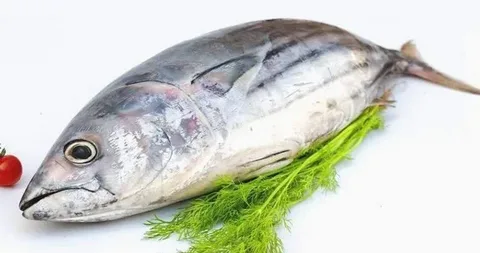
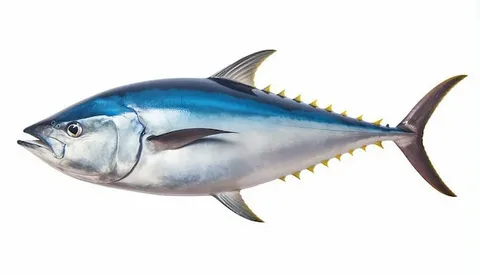
Listao tuna refers to skipjack tuna, scientifically known as Katsuwonus pelamis. It belongs to the tuna and mackerel family called Scombridae. This species is easily recognized by the dark horizontal stripes running across the lower sides of its body.
Unlike larger tuna species such as bluefin tuna or yellowfin tuna, listao tuna is smaller, faster-growing, and highly abundant. These characteristics make it one of the most commercially important fish species globally.
Listao tuna is primarily used in canned tuna production because of its strong flavor, firm texture, and lower price compared to premium tuna varieties. It is also sold fresh, frozen, smoked, and dried in different regions around the world.
Habitat and Distribution of Listao Tuna
Listao tuna lives in tropical and subtropical oceans across the globe. It thrives in warm waters where temperatures remain relatively stable throughout the year. The species is commonly found in the Pacific Ocean, Indian Ocean, and Atlantic Ocean.
This fish is highly migratory and often travels in large schools. It typically feeds on smaller fish, crustaceans, and plankton. Because listao tuna reproduces quickly and matures faster than larger tuna species, its population is generally more resilient to fishing pressure when sustainable management systems are in place.
Countries with major listao tuna fisheries include:
- Indonesia
- Thailand
- Japan
- Philippines
- Ecuador
- Taiwan
- Spain
The Pacific Ocean remains the largest source of global skipjack tuna catches.
Nutritional Value of Listao Tuna
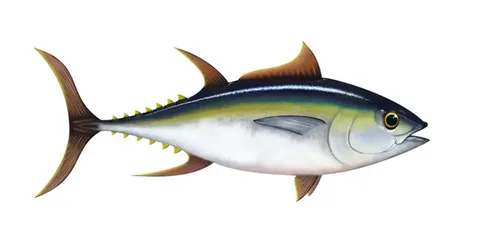
One of the main reasons for the popularity of listao tuna is its impressive nutritional content. It provides high-quality protein and essential nutrients while remaining relatively low in calories and fat.
High Protein Content
Listao tuna is an excellent source of lean protein. Protein is necessary for muscle repair, tissue growth, hormone production, and immune support. A typical serving of listao tuna contains around 20 to 25 grams of protein, making it ideal for athletes and active individuals.
Omega-3 Fatty Acids
Although skipjack tuna contains less fat than species like bluefin tuna, it still provides healthy omega-3 fatty acids. These fats are associated with several health benefits, including:
- Improved cardiovascular health
- Reduced inflammation
- Better brain function
- Enhanced eye health
- Lower risk of chronic diseases
Rich in Vitamins and Minerals
Listao tuna contains several important nutrients, including:
- Vitamin B12
- Vitamin D
- Selenium
- Niacin
- Phosphorus
- Potassium
- Magnesium
Vitamin B12 supports nerve function and red blood cell formation, while selenium acts as a powerful antioxidant that protects cells from damage.
Low-Calorie Seafood Option
People looking to maintain or lose weight often choose listao tuna because it is nutrient-dense yet relatively low in calories. It helps promote fullness and supports balanced eating habits.
Health Benefits of Listao Tuna
The nutrients found in listao tuna contribute to several important health benefits.
Supports Heart Health
The omega-3 fatty acids in tuna may help reduce triglycerides, improve blood circulation, and support healthy cholesterol levels. Regular seafood consumption is often linked to lower risks of heart disease.
Promotes Brain Function
Research suggests that omega-3-rich foods may support memory, cognitive performance, and overall brain health. Nutrients in listao tuna may also help reduce the risk of age-related cognitive decline.
Helps Muscle Growth and Recovery
Because of its high protein content, listao tuna is widely included in sports nutrition and fitness diets. Protein helps repair muscle tissue after exercise and supports lean muscle development.
Strengthens the Immune System
Listao tuna contains selenium, zinc, and protein, which all contribute to healthy immune function and overall wellness.
Supports Weight Management
The combination of high protein and low calories makes listao tuna useful for weight management programs. It helps reduce hunger while providing essential nutrients.
Listao Tuna and the Global Seafood Industry
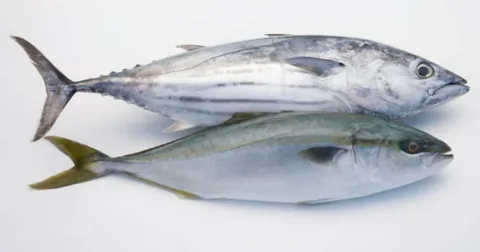
Listao tuna is one of the most economically significant fish species in the world. It supports millions of jobs across fishing, processing, transportation, and retail industries.
Importance in the Canned Tuna Industry
Most canned tuna products globally are made from listao tuna. Consumers prefer it because it is:
- Affordable
- Convenient
- Shelf-stable
- Nutritious
- Versatile
Canned tuna is widely used in sandwiches, salads, pasta dishes, wraps, and quick meals.
Major Exporting Nations
Countries leading in tuna processing and exports include Thailand, Ecuador, Indonesia, and the Philippines. Thailand is particularly recognized as one of the world’s largest canned tuna exporters.
Economic Contribution
The tuna industry generates billions of dollars annually and is especially important for coastal and island economies that depend on marine resources.
Sustainability of Listao Tuna
Sustainability has become a major concern in modern seafood industries. Consumers increasingly want assurance that their seafood is responsibly sourced.
Is Listao Tuna Sustainable?
Compared to larger tuna species, listao tuna is often considered a more sustainable option because it reproduces quickly and has abundant populations. However, sustainability depends heavily on fishery management and fishing methods.
Fishing Methods Used
Pole-and-Line Fishing
Pole-and-line fishing is one of the most sustainable tuna fishing methods. Fish are caught individually, which minimizes bycatch and reduces environmental impact.
Purse Seine Fishing
Purse seine fishing uses large nets to surround schools of fish. While efficient, improper use of fish aggregating devices can increase bycatch risks.
Bycatch Concerns
Bycatch refers to the accidental capture of non-target species such as sharks, turtles, and dolphins. Sustainable fisheries use technologies and regulations to minimize these impacts.
Sustainable Seafood Certifications
Consumers can look for certifications such as:
- Marine Stewardship Council certification
- Dolphin-safe labels
- Traceable seafood certifications
These labels help identify responsibly sourced products.
Differences Between Listao Tuna and Other Tuna Species
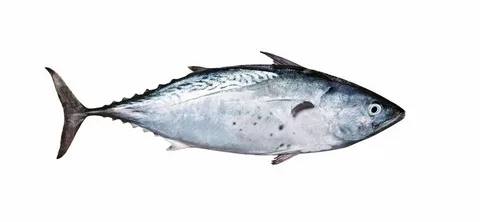
Understanding the differences between tuna species can help consumers make informed choices.
Listao Tuna vs Bluefin Tuna
Bluefin tuna is larger, fattier, and significantly more expensive. It is commonly used in high-end sushi markets but faces serious overfishing concerns.
Listao tuna is more affordable and widely available.
Listao Tuna vs Yellowfin Tuna
Yellowfin tuna has a milder flavor and firmer texture, making it popular for sashimi and tuna steaks.
Listao tuna has a stronger flavor and is more commonly used in canned products.
Listao Tuna vs Albacore Tuna
Albacore tuna has lighter-colored flesh and is often sold as white tuna. It contains more fat and a milder taste compared to listao tuna.
Culinary Uses of Listao Tuna
Listao tuna is highly versatile and used in cuisines worldwide.
Canned Tuna Recipes
Popular canned tuna dishes include:
- Tuna sandwiches
- Tuna salad
- Tuna pasta
- Tuna wraps
- Tuna casseroles
- Rice bowls
Fresh Tuna Preparations
Fresh listao tuna can be:
- Grilled
- Pan-seared
- Smoked
- Baked
- Broiled
It pairs well with garlic, lemon, soy sauce, olive oil, herbs, and spices.
Asian Cuisine
In Asian cuisine, listao tuna is used in sushi, soups, rice dishes, and seafood stews. Dried skipjack flakes are also used in Japanese cooking to prepare dashi broth.
Mediterranean Dishes
Mediterranean recipes often combine tuna with tomatoes, olives, capers, olive oil, and fresh vegetables.
Mercury Levels in Listao Tuna
Mercury content is a common concern with seafood consumption. Fortunately, listao tuna generally contains lower mercury levels than larger tuna species.
Because skipjack tuna is smaller and has a shorter lifespan, it accumulates less mercury over time.
For this reason, health authorities often consider listao tuna a safer seafood choice for:
- Pregnant women
- Children
- Regular seafood consumers
However, moderation remains important as part of a balanced diet.
How to Choose Quality Listao Tuna
Consumers should consider several factors when buying tuna products.
Read Product Labels
Look for labels that mention:
- Sustainable sourcing
- Low sodium
- BPA-free cans
- No artificial additives
Check Freshness
Fresh tuna should have:
- Bright appearance
- Firm texture
- Mild ocean smell
Avoid fish with strong odors or discoloration.
Water-Packed vs Oil-Packed Tuna
Water-packed tuna is lower in calories and fat, while oil-packed tuna typically has richer flavor and texture.
Challenges Facing the Listao Tuna Industry
Despite its popularity, the listao tuna industry faces several challenges.
Climate Change
Rising ocean temperatures and changing ecosystems can affect tuna migration patterns and breeding behavior.
Overfishing
Even abundant species require responsible management to avoid future population decline.
Illegal Fishing
Illegal and unregulated fishing continues to threaten marine ecosystems and undermine sustainability efforts.
Supply Chain Transparency
Consumers increasingly demand traceability and ethical sourcing information from seafood brands.
Technological Innovations in Tuna Fisheries
Modern technologies are helping improve tuna fishing sustainability.
Satellite Tracking
Fishing vessels use satellite monitoring systems to comply with regulations and improve accountability.
Digital Traceability Systems
Electronic documentation allows seafood products to be tracked from catch to consumer.
Improved Fishing Gear
Innovative fishing equipment helps reduce bycatch and environmental damage.
Consumer Demand for Listao Tuna
Global seafood demand continues to rise, and listao tuna remains highly popular due to several factors.
Affordable Protein Source
Compared to many seafood options, listao tuna remains budget-friendly.
Convenience
Ready-to-eat tuna products appeal to busy consumers seeking quick and nutritious meals.
Health-Conscious Eating
As more people seek healthy protein alternatives, seafood products like listao tuna continue gaining popularity.
Proper Storage of Listao Tuna
Fresh Tuna Storage
Fresh tuna should be refrigerated immediately and consumed within one to two days.
Freezing Tuna
Tuna can be frozen for longer storage. Vacuum sealing helps preserve freshness.
Canned Tuna Storage
Unopened canned tuna should be stored in a cool, dry place. Once opened, it should be refrigerated and eaten within a few days.
Popular Listao Tuna Recipes
Grilled Tuna Steaks
Season tuna steaks with olive oil, garlic, lemon juice, salt, and pepper before grilling.
Tuna Pasta Salad
Mix canned tuna with pasta, vegetables, herbs, and olive oil for a healthy meal.
Tuna Rice Bowls
Combine tuna with rice, avocado, cucumbers, soy sauce, and sesame seeds.
Mediterranean Tuna Wraps
Use whole-grain wraps filled with tuna, lettuce, olives, tomatoes, and yogurt dressing.
Future of Listao Tuna
The future of listao tuna depends on responsible fisheries management, sustainable practices, and consumer awareness.
Advancements in technology, stricter fishing regulations, and growing demand for sustainable seafood may help protect tuna populations for future generations.
Consumers also play a key role by choosing responsibly sourced seafood products and supporting brands committed to sustainability.
Conclusion
Listao tuna is one of the world’s most important seafood species, valued for its affordability, nutritional benefits, and culinary versatility. From canned tuna sandwiches to gourmet seafood dishes, it continues to play a major role in global diets.
Rich in protein, omega-3 fatty acids, vitamins, and minerals, listao tuna supports heart health, muscle growth, brain function, and overall wellness. At the same time, sustainability remains essential to protecting marine ecosystems and ensuring long-term seafood availability.
By understanding the nutritional value, environmental impact, and culinary uses of listao tuna, consumers can make informed choices that benefit both personal health and ocean sustainability.